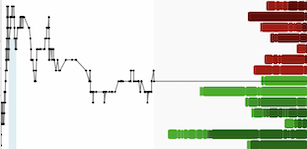


Today, the US economic calendar features September CPI data, with headline inflation expected to rise to 3.7% from 3.4% in August and core inflation edging up to 2.5%. Thursday’s PPI report is expected to show a 0.9% monthly increase in headline prices and a 0.4% rise in core PPI.
Markets currently see only a 20% chance of a rate hike on October 28, but expect at least a 25-basis-point increase by December.
Let’s imagine September’s inflation data come in as expected, could the Fed still catch markets off guard with a more hawkish stance?
The drop in 10-year and 30-year Treasury yields late last week might suggest that markets aren’t expecting the Fed to turn more hawkish, but in reality, the move is driven more by technical factors than fundamentals.
First things first, geopolitical risks remain, as renewed clashes involving the Houthis and Saudi Arabia could result in another upswing on the oil price chart, while Iran has left the door open to further attacks on tankers it accuses of violating transit rules in the Strait of Hormuz, keeping the main inflation risk alive.
Besides that, Chicago Fed President Austan Goolsbee has warned that the AI boom is driving up demand for electricity, construction, land, and equipment, adding to cost pressures across other industries, forcing the Fed to keep policy tighter for longer or even raise rates further.
But how would a rate hike solve these problems?
So why have Treasury yields fallen if the outlook remains so uncertain?
The main reason seems to be last week’s 30-year Treasury auction, which attracted solid demand, with a bid-to-cover ratio of 2.54, above the average of 2.41 across the previous six auctions.
It may also have helped that oil prices eased after Donald Trump ruled out attacking Iran before the November midterms, while a deal with Russia on diesel supplies offered further relief.
But these are only temporary factors, as geopolitical risks remain, cost pressures continue to build, and inflation could prove harder to bring under control than markets expect.
Thus, falling Treasury yields don’t necessarily mean the inflation threat is fading, as the Fed and other central banks still have plenty of reasons to remain hawkish, which could ultimately weigh on markets.