

Most people hear “Nunavut” and immediately imagine a project so remote it might as well be on Mars. They picture endless ice, no access, no logistics, and a mine that would need a spaceship to deliver supplies. So let’s bust the first myth in the Storm series:
Myth: Storm is too remote to matter.
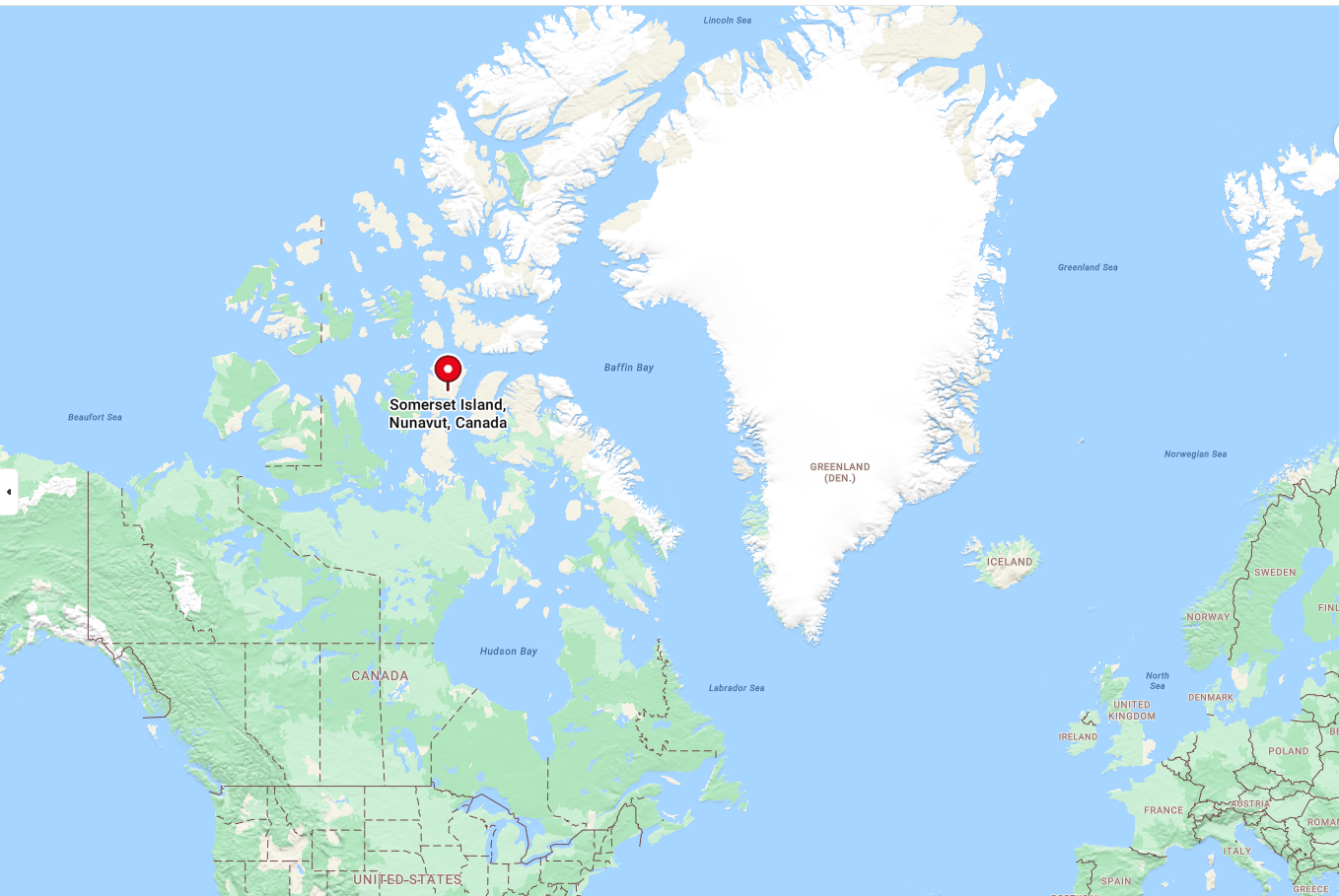
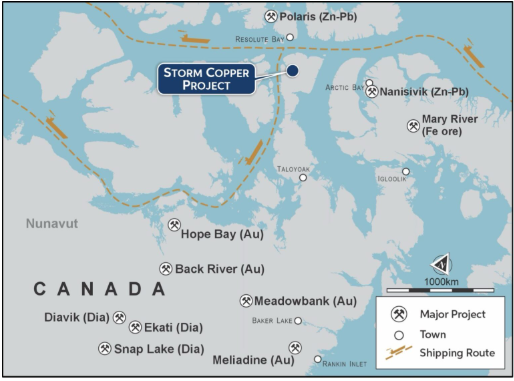
Busted: Storm is closer to Greenland than Vancouver is to Seattle.
Myth: Storm has no real waterway access
Busted: The sealift delivered equipment directly to the Storm camp.
Myth: Storm is isolated.
Busted: Storm sits inside the strategically important rising North Atlantic Arctic corridor, neighboring Greenland.
This is the wiki‑Storm moment that changes everything.
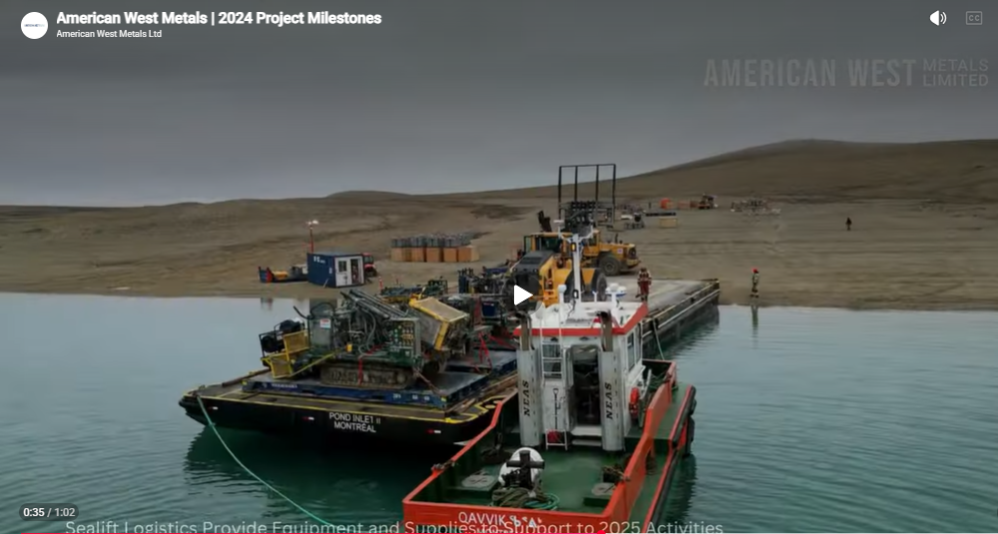
📦 What the Sealift Delivered to Storm
The sealift saved Storm ~US$2.8M in logistics costs for the 2025 season. This is not just practical — it’s strategic. The Seadrift delivered: heavy machinery, loaders, containers, fuel, drill support equipment, camp upgrades, bulk supplies.
🧭 So How Does the Sealift Actually Reach Storm?
Most people assume “Nunavut = helicopter only.” They have no idea how the Arctic supply chain works. So, let's trace the Sealift route for Storm, shall we?
1️⃣ It starts in Montreal:
Storm’s sealift comes from the Eastern Arctic supply chain, Montreal, Valleyfield, Québec. This is why the barge in the photo above is literally named “Pond Inlet II – Montreal.” It tells you exactly where it came from.
2️⃣ It sails north through Hudson Strait
Up the St. Lawrence, into Hudson Strait, then into Baffin Bay — the same corridor used for Nunavut community resupply.
3️⃣ It enters the North Atlantic Arctic
Storm sits on the western edge of Baffin Bay. Greenland sits on the eastern edge. It’s a straight shot across the water.
4️⃣ It reaches Somerset Island — and lands at the Storm camp
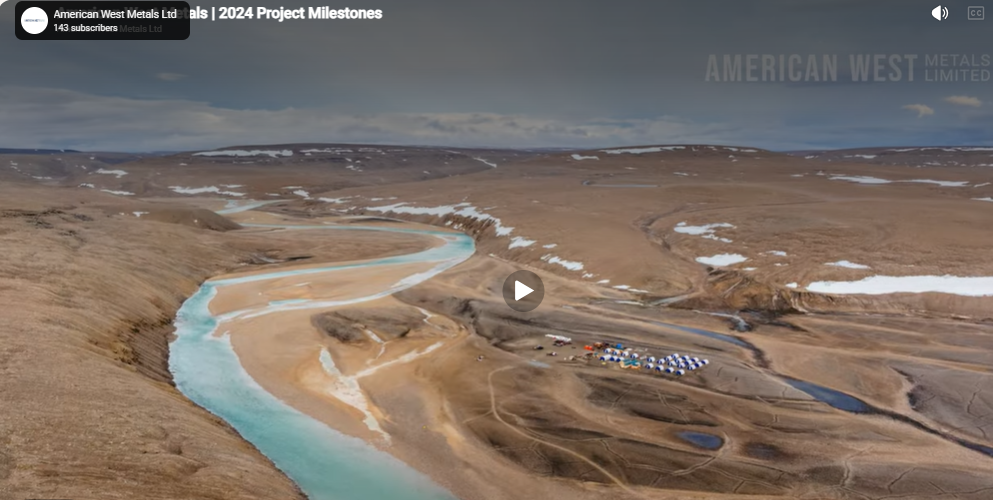
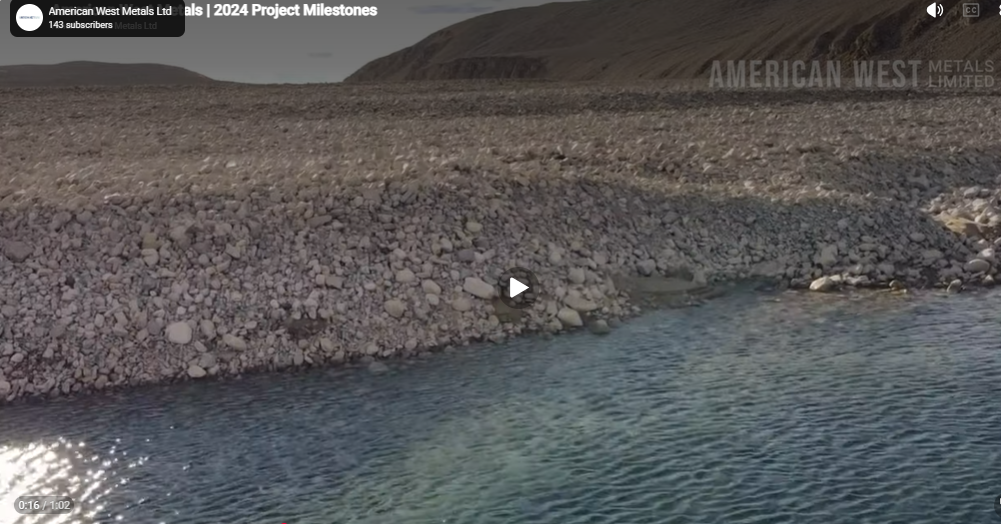
This is the part nobody expects. The sealift doesn’t land 25 km away. It doesn’t land at a distant beach. It doesn’t land at a community port. It lands right at the Storm camp site, exactly as shown in my photo below. The shoreline is the landing zone. The camp is the receiving point. The equipment rolls off the barge onto Storm. This is extremely rare for Arctic juniors.
5️⃣ Equipment is then moved inland to the copper zones (~25 km)
This is where the “Storm is 25 km from tidewater” line comes from. It refers to the deposits, not the camp. Once you understand that, everything clicks.
Camp = coastal (logistics)
Deposits = inland (geology)
🎥 Storm Cinema Moment https://youtu.be/JVDiZzYfbus?si=_NK6xfRkg0suQmMg