

The US has signed more than 40 critical minerals agreements since January 2025, according to S&P Global, opening routes to government-backed loans for nickel, lithium and graphite projects. Signed offtake contracts increasingly decide whether developers can borrow instead of issuing shares.
US Mineral Pacts Bring Public Lenders Into Financing New Mine Construction
The agreements more than double the 16 signed in the previous nine years, and several have led to funding initiatives. Investment in US partner countries hit a record US$3.19 billion in the second quarter of 2026, although the figure is not directly attributable to the pacts.
Signed US Offtake Contracts Now Decide How Much Overseas Mines Can Borrow
Australia reported more than A$6 billion in announced support in the first year of its US framework. Under the Export-Import Bank of the US (EXIM) Supply Chain Resiliency Initiative, overseas projects need signed long-term offtakes with US manufacturers to qualify, and loan size follows qualifying US sales, with restrictions on Chinese ownership, technology and customers.
Indonesia's Shifting Nickel Quotas Strengthen the Case for Funding Mines Elsewhere
Nickel traded near US$15,800 per tonne on November 2 as Indonesia weighed further ore quota cuts for 2027, strengthening the case for financing permitted projects elsewhere.
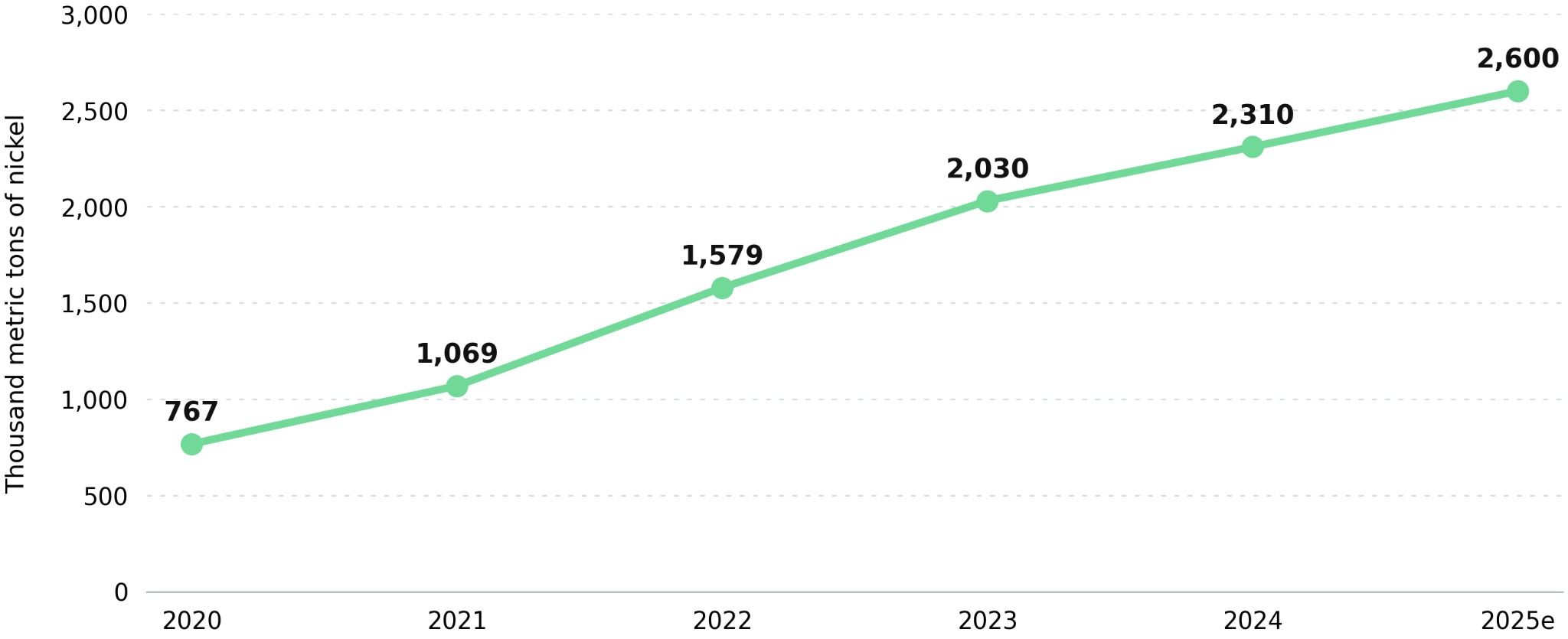
Canada Nickel ($CNC) received a federal impact assessment decision for its Crawford project in Ontario in July 2026. The project needs roughly US$2 billion in initial capital, with talks under way with offtake partners and government funding programs ahead of a 2027 construction decision.
Mark Selby, Chief Executive Officer of Canada Nickel, explains how government funding could support mine construction:
"This is a once-in-a-generation opportunity where governments are providing significant, effectively low-cost leverage to be able to get these projects built. You would have had to go back to the 1950s and '60s to see similar government efforts."
Faster Lithium Supply Growth Makes Price-Protected Offtakes Central to Construction Debt
Global lithium supply is projected to rise 26.8% in 2027, so binding offtakes with minimum prices give lenders greater confidence in future revenue.
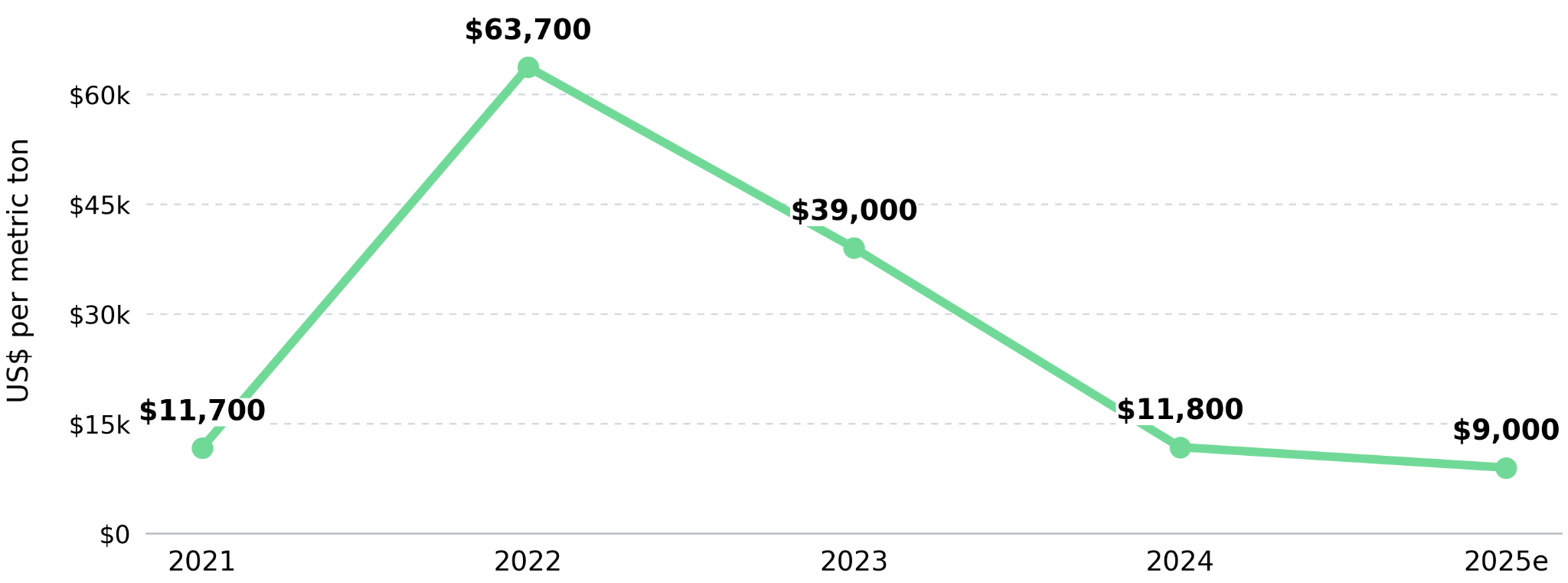
Lithium Ionic ($LTH) secured binding five-year offtakes in March 2026 for about 170,000 tonnes of concentrate a year from its Bandeira project in Brazil, with a US$1,000-per-tonne price floor based on a 6% lithium oxide reference grade.
Blake Hylands, Chief Executive Officer of Lithium Ionic, outlines plans to fund construction primarily through debt:
"We've had support from institutional shareholders for years who want to continue to be a part of that and always wanted to be part of the construction financing, and this is a moment for them to step in."
China's Grip on Graphite Refining Opens Public Funding for Alternative Supply
The International Energy Agency reports China handles more than 90% of graphite refining.
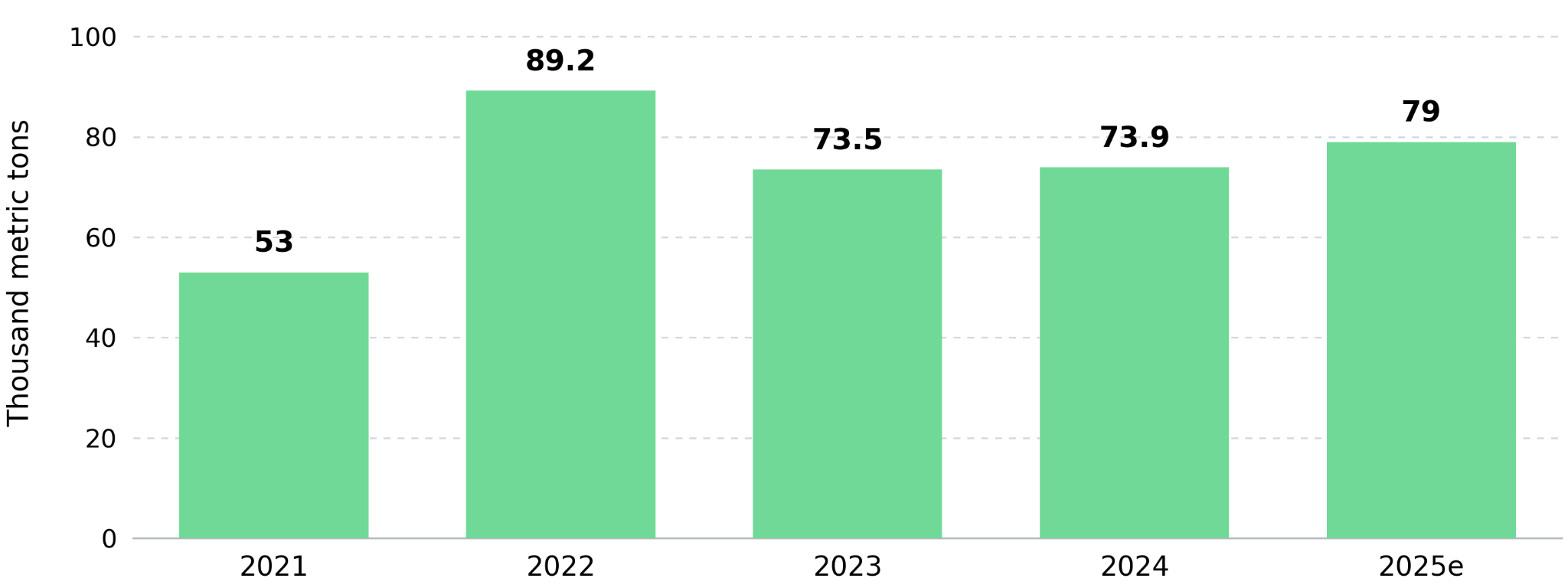
In August 2026, EXIM announced a US$25 million domestic graphite loan, and the US International Development Finance Corporation proposed graphite financing changes in Mozambique and the US.
Sovereign Metals ($SVM.AX) projects annual production of 275,000 tonnes of graphite from its Kasiya project in Malawi, holds a nonbinding arrangement to market industrial graphite into the US, and is in talks with development finance institutions.
Sapan Ghai, Chief Commercial Officer of Sovereign Metals, links proposed US-oriented supply arrangements directly to funding discussions:
"The second piece, and more pertinent for us, is obviously funding. If DC would like these molecules in the ground to end up in something useful in the US, then we would like them to help us build it."
Public Lenders Step In as Battery Metals Spending Falls Over 20%
Public critical minerals finance commitments reached about US$65 billion in 2025, more than four times the 2023 level, while battery-metals company spending fell more than 20%. Binding financing agreements, not announcements, decide which projects reach construction.
Signed Loans Will Decide Which Mines Get Built
Government lenders offer battery metals developers construction capital with less dilution as private spending retreats. Projects with completed feasibility studies, advancing permits and binding offtakes with US manufacturers stand first in line, and 2027 construction decisions will show which ones convert announced support into funded mines.
Read more: 40+ US Mineral Pacts Open New Funding Routes for Battery Metals Projects
Disclosure: This article features Canada Nickel, Lithium Ionic and Sovereign Metals as company examples that had no influence over the topic, thesis, or conclusions of this article, and none exercised editorial control over its content.
